2026-06-11 19:31:47 文娱体育 24918
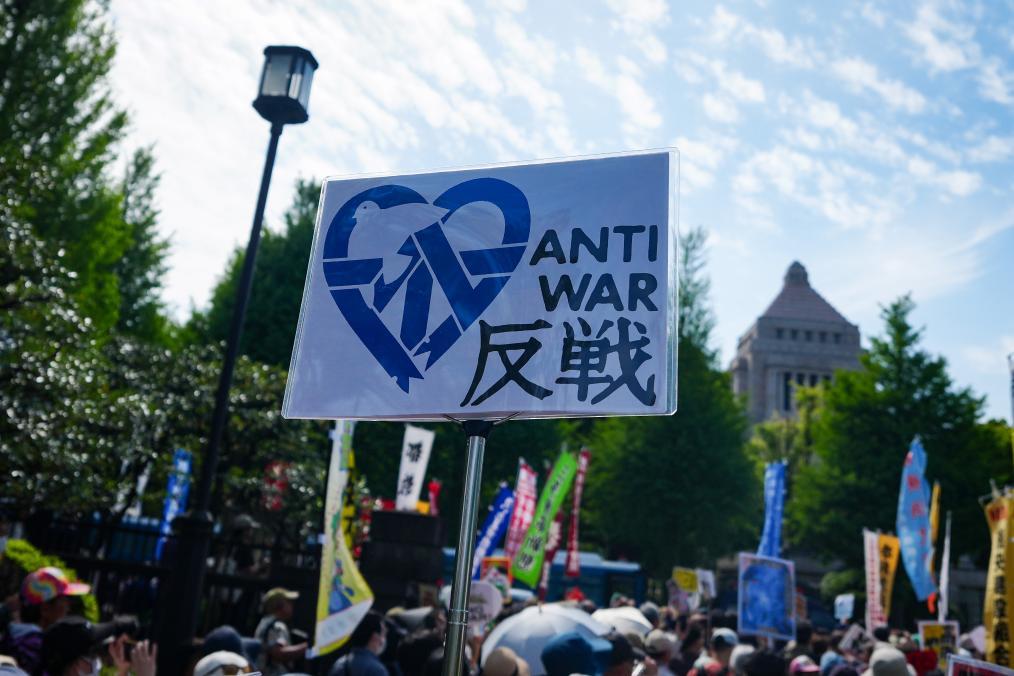
People gather around the parliament building to protest attempts of the government of Japanese Prime Minister Sanae Takaichi to revise the country's pacifist constitution and 温岭太平新闻网to call for the protection of Article 9 in Tokyo, Japan, April 19, 2026. (Xinhua/Jia Haocheng)
JAKARTA, May 3 (Xinhua) -- As Sunday marks the 80th anniversary of the opening of the International Military Tribunal for the Far East, or Tokyo Trial, officials and scholars across the Asia-Pacific region, the primary victim of Japan's atrocities during World War II, have called on Japan to confront its wartime past and the international community to guard against a resurgence of recent militarist tendencies.
During the trial eighty years ago, the tribunal convicted 25 Class-A Japanese war criminals, with seven sentenced to death, including Hideki Tojo, the most atrocious war criminal who served as Japanese prime minister between 1941 and 1944. The proceedings, backed by extensive evidence, exposed the crimes of Japanese militarism and stood as a landmark victory of justice over aggression.
Eight decades later, concerns persist over whether Japan has fully reckoned with its history and learnt the lessons. Critics point to actions by some politicians and right-wing groups, including visits to Yasukuni Shrine, perceived distortions in history textbooks, debates surrounding revisions to the pacifist constitution and accelerating military expansionary moves.
INADEQUATE REFLECTION ON THE PAST
Antonius Sumarwan, a lecturer at Sanata Dharma University in Indonesia, said that the primary issue is whether the process of moral reflection on the past is truly conducted honestly.
"If a nation is obscuring history, relativizing war crimes, or even glorifying perpetrators of violence, then it is a sign that the lessons of history have not been truly learned," he said, noting that if war criminals continue to be honored without criticism, this will only create new wounds for the victims.
Myint Thein, a member of Myanmar Historical Commission, said that Japanese political leaders and lawmakers openly visiting Yasukuni Shrine disregard the suffering of Asian countries once subjected to brutal invasion, and such actions could be seen as "steps toward reviving militarist sentiment in contemporary Japan."
"What it tells you is that there's a growing movement within Japan, and especially in the ruling party, to whitewash their own history at a time when they are remilitarizing," said Robert Barwick, Australian Citizens Party's national chairman.
Sim Ann, Singapore's senior minister of state in the Ministry of Foreign Affairs and the Ministry of Home Affairs, said that Singapore recognizes that the severity of the damage and suffering caused by Japan during World War II continues to create difficult historical issues in parts of Asia, adding that Singapore hopes that Japan can consider how it can put to rest these outstanding issues.
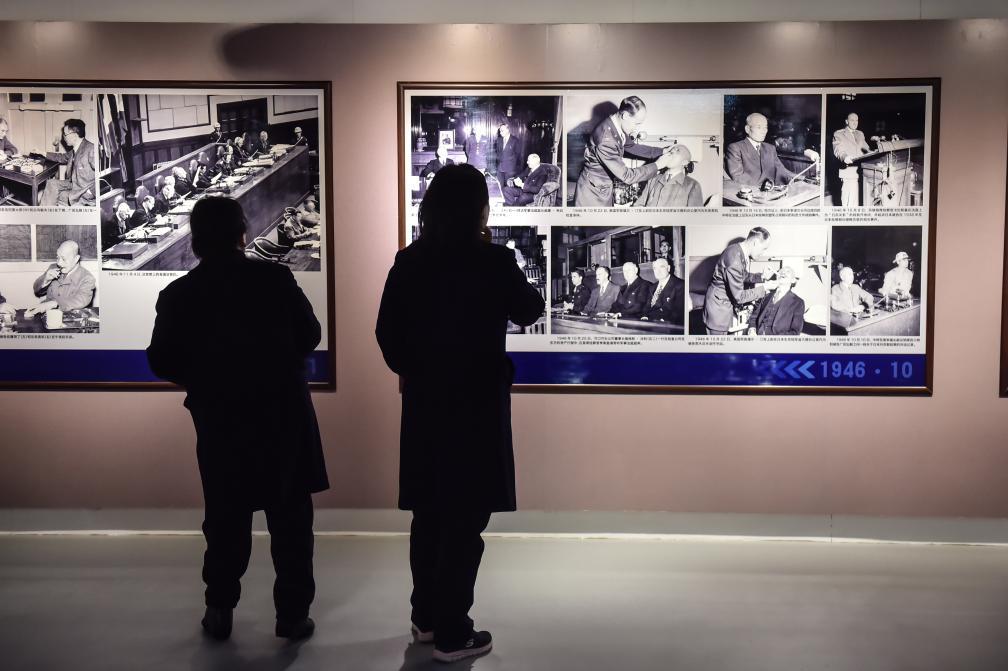
People visit an exhibition on the Tokyo Trial at the Museum of the War of Chinese People's Resistance Against Japanese Aggression in Beijing, capital of China, Dec. 13, 2019. (Xinhua/Peng Ziyang)
FRESH THREAT TO REGIONAL SECURITY
Commenting on Japan's current tendency to downplay or deny its history of aggression, Jitkai Chin, a Malaysian expert committee member in the Centre of Strategic Regional Studies, said that a lack of historical reflection could lead to cognitive bias, weaken mutual trust, and exacerbate regional security dilemmas.
Missteps may be interpreted as a denial of historical facts, triggering sensitivities among neighboring countries and leading to diplomatic friction and strategic misjudgment, according to Chin.
Anna Malindog-Uy, vice president of the Manila-based think tank Asian Century Philippines Strategic Studies Institute, said that recent incidents of military misconduct and the rise of right-wing sentiments in Japan have inevitably heightened regional sensitivity.
"In a region where historical memory remains deeply embedded, even symbolic actions carry disproportionate weight, and the shadow of World War II continues to shape the Philippines' perception of Japan's military developments," she noted.
Wilson Lee Flores, a columnist for The Philippine Star, noted that atrocities such as the Bataan Death March and the Manila Massacre were handled in a generalized manner during the Tokyo Trial, leaving many of those directly responsible inadequately punished.
Precisely because the Tokyo Trial failed to achieve a thorough reckoning, Japan's far-right forces after the war were able to stage a comeback in Japanese politics, said Kwon Ki-sik, head of the Korea-China City Friendship Association.
"They arbitrarily claim that Japan was a victim and mislead domestic public opinion in Japan. As the perpetrator, Japan has assumed the guise of a victim and armed itself with new militarism, which has now evolved to the point of directly threatening peace and stability in East Asia. This is truly regrettable and worrying," Kwon said.

云南丽江白沙文昌宫推出高考季文化活动

新春走基层|洋学生的中国年 在异乡追逐梦
又被学校宠到了 多所高校官宣“一分钱”年夜饭

金博洋“最后一舞”、钢架雪车中国队冲击奖牌 冬奥会赛事前瞻

正月初一电影票房超18亿元
湖北高速路政护航“黄金大动脉”焕新
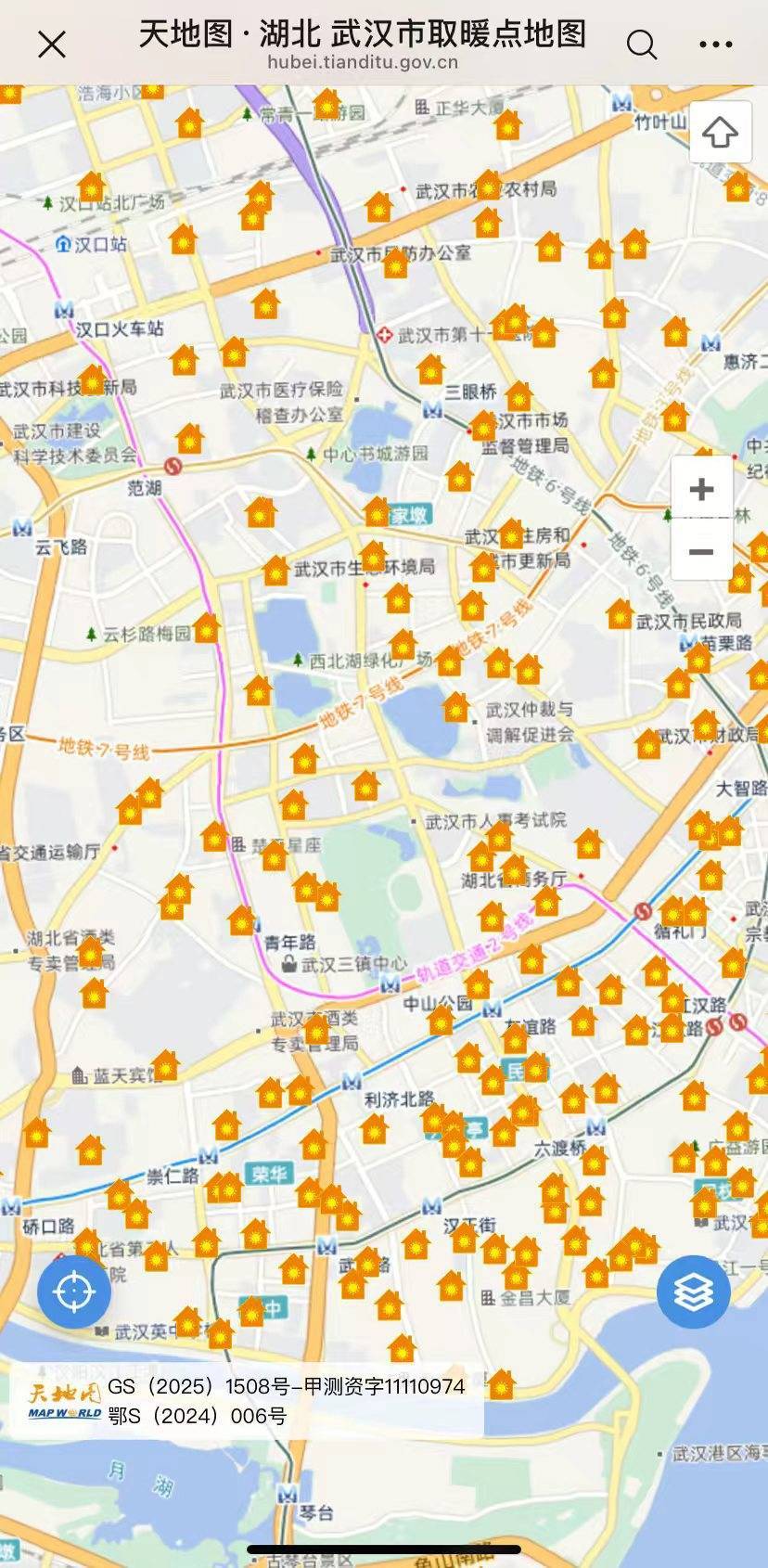
武汉1775个取暖点有了专门地图:出门哪暖和,一点就知道
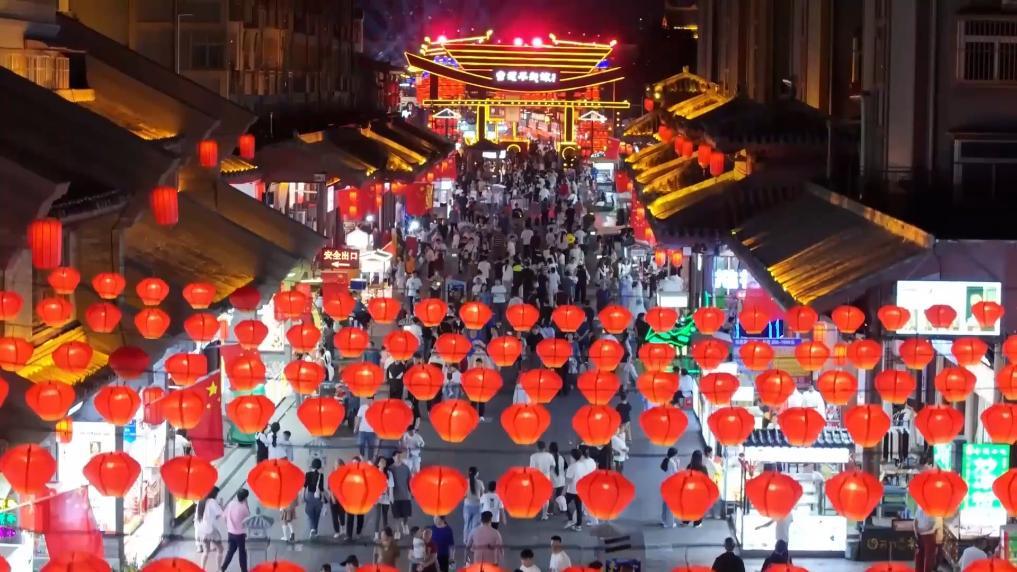
好评中国丨年经济“热气腾腾”,彰显中国经济“活力满满”

长三角一体化古镇发展大会在铜陵市大通古镇举办
好评中国丨年经济“热气腾腾”,彰显中国经济“活力满满”
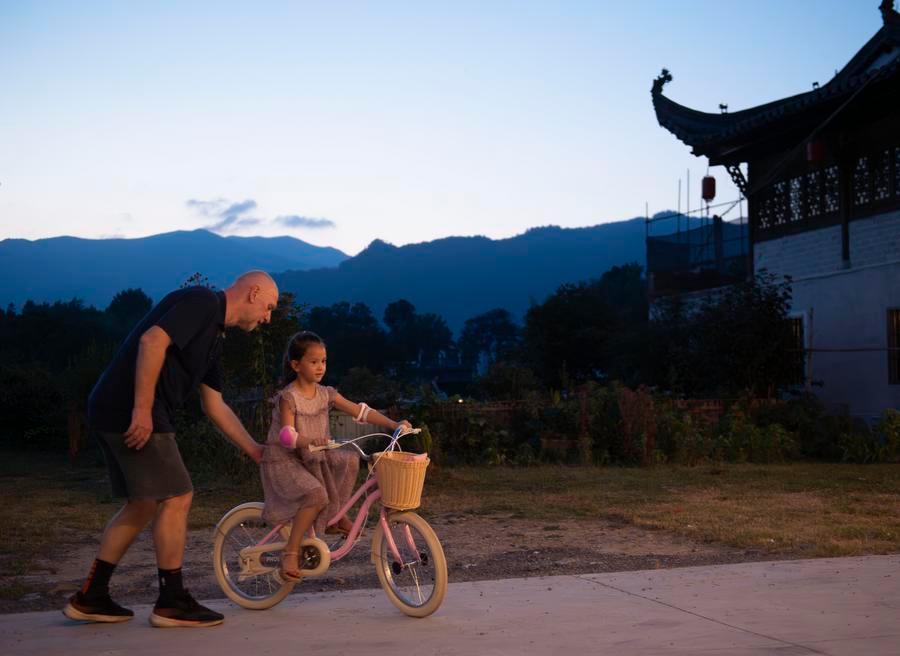
Expats finding home in rural China
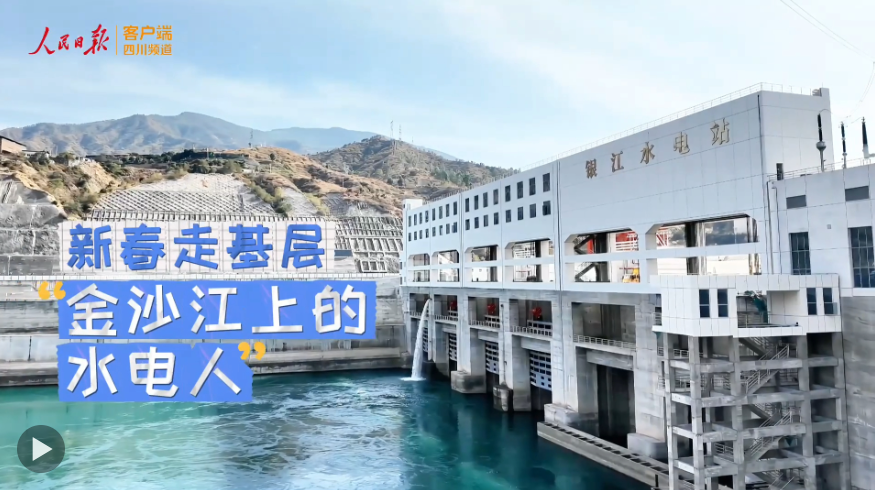
新春走基层|给水电机组做“体检”是什么体验?

淮北市举办“廉洁文化建设”美术书法作品展

国务院任免国家工作人员
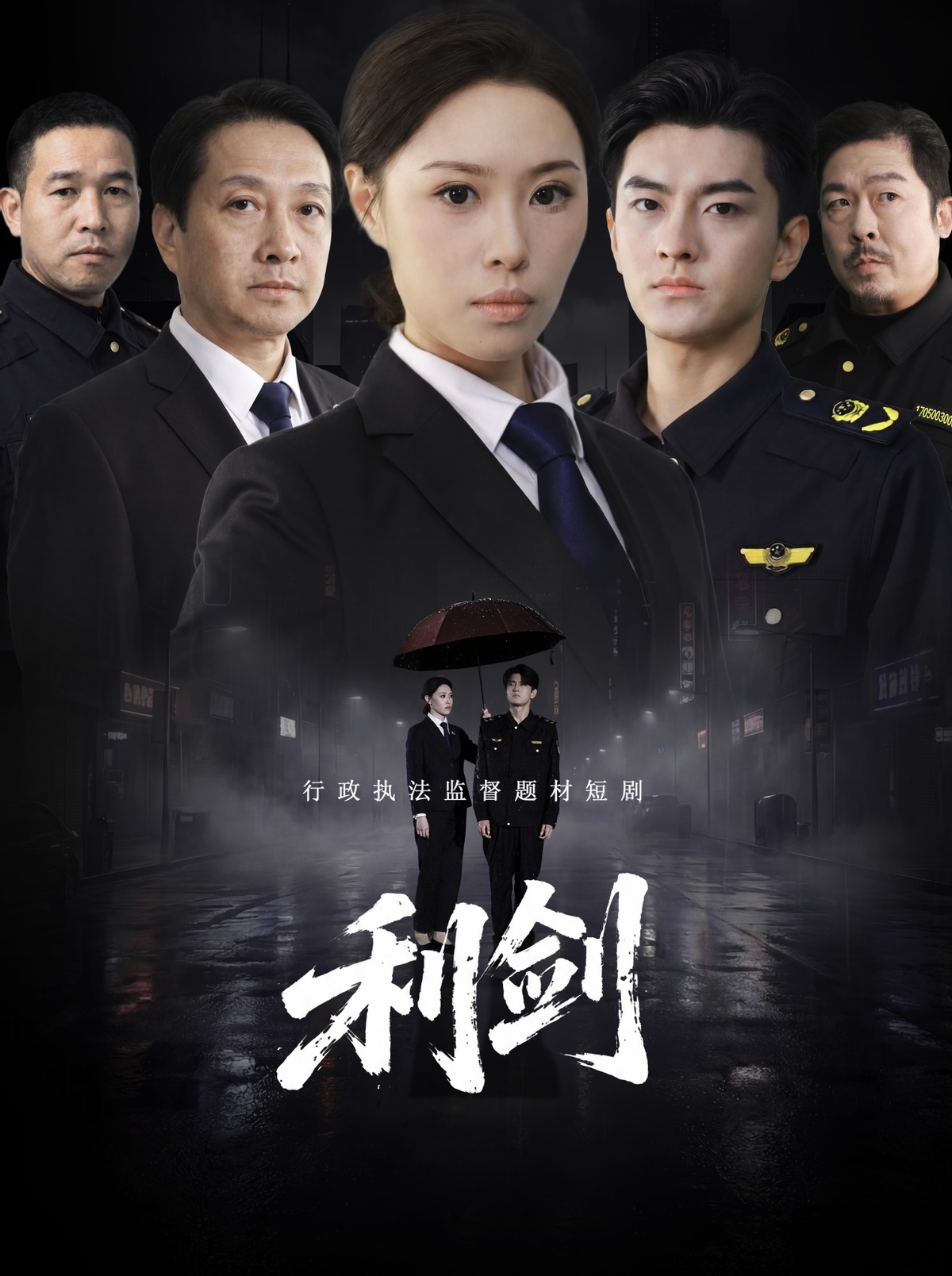
行政执法监督题材短剧《利剑》即将在红果上线

经济热点快评|这两个0.2%,传递什么信号?

安庆市一项目入选“博物馆里读中国”主题展览

新华时评丨新春“中国游”折射世界对华认知之变
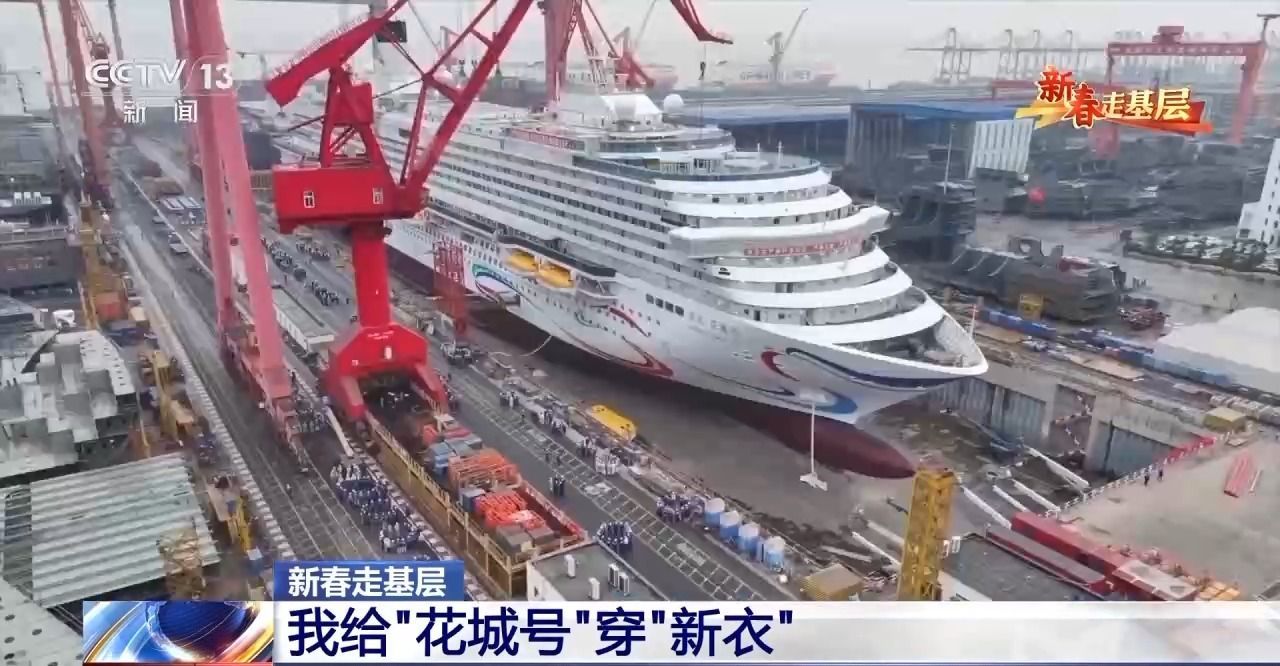
新春走基层丨他们为国产大邮轮定制“新衣” 每一笔涂抹都关乎颜值和品质
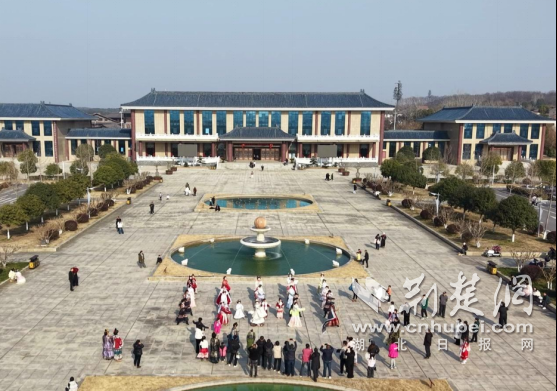
着汉服、集印章、投壶射箭 钟祥“明文化穿越之旅”引游客打卡

跨境电商发展更具新活力(消费万花筒)
新春走基层|给水电机组做“体检”是什么体验?

探秘武汉图书馆新馆的藏绝美设计,阶梯书架如山峦起伏
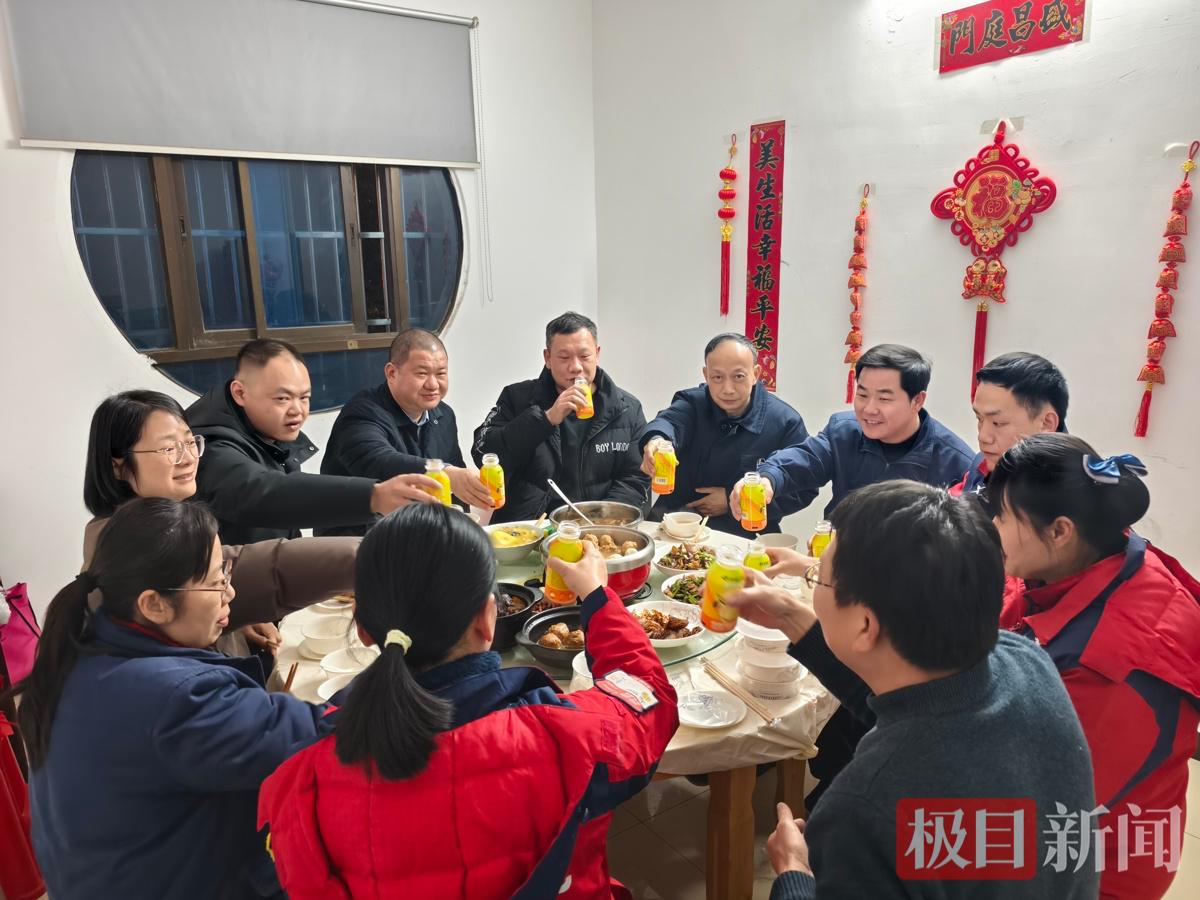
爱心服务台+暖心团年饭,温暖返乡归家人